PCB Materials Pave the Way to Faster, Higher-Frequency Circuits
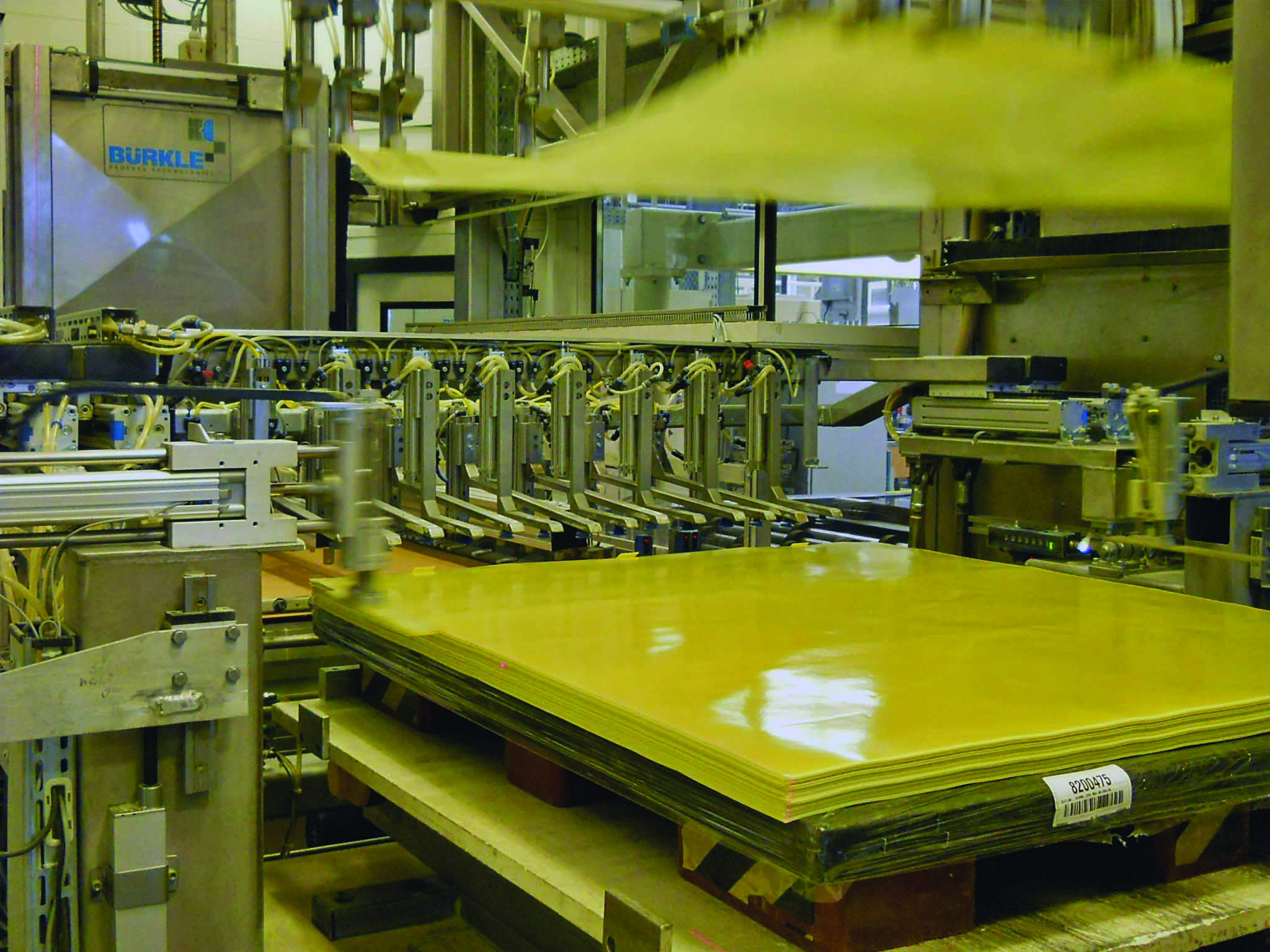
Isola Article May Figure 4


Designers looking to trim losses, size, and weight from high-speed, high-frequency printed-circuit boards (PCBs) will want to visit Isola Group in Booth #5090 at IMS2022. There, the company will display an array of its advanced circuit materials, which are formulated for low loss in RF/microwave and mmWave circuits to 110 GHz and beyond, as well as high levels of signal integrity in high-speed-digital (HSD) circuits well into the Gb/s speed range.


Isola’s circuit materials support the current industry trends in higher-frequency operation and miniaturization, but they do so while paying close attention to manufacturing requirements, with materials that can be transformed into PCBs using the same processes used for many popular circuit materials, such as mid-and-high-Tg FR-4 materials.


For example, Astra MT77 features low loss through mmWave frequencies, with characteristics such as dielectric constant (Dk) and dimensions that are stable over wide temperature ranges, making this an ideal circuit material for automotive and military radar applications.


Ready full article here.

15 June 2022

Related Posts

Eumw Promo 2022 2
Isola to show unique RF and microwave circuit materials
At the European Microwave Exhibition in London, Isola will be providing guidance on the best use of its advanced circuit materials for printed circuit boards. Isola’s material experts and sales professionals, including new addition Jim Francey, will welcome visitors to learn about the optimum circuit material choices for applications…
Managing Materials For MmWave Circuits AlexIppich
The Importance of Circuit Board Material for Millimeter-wave Circuits
Growing demands for higher data rates and real-time video require wide bandwidths that are only available at 24 GHz and above. This calls for more than simple network infrastructure additions or modifications as the shorter wavelengths at these frequencies propagate over shorter distances than at microwave frequencies. For expanding 5G…
Materials Meet Needs Of Millimeter Wave AIppich
Materials Meet Needs of Millimeter-Wave 5G Small Cells
  Fifth Generation (5G) networks offer extensive wireless services with even faster data rates to come. Most of the systems have been based on signals below 6 GHz. Once network coverage has been achieved at higher, millimeter-wave (mmWave) frequencies of 24 GHz and higher, 5G networks will support multi-gigabit…